CO₂ snow cleaning systems
CROSS turns liquid CO₂ into a supersonic stream of micro snow. It lifts particles, flux and oil off your most delicate parts, then vanishes into thin air. Your part comes out clean, dry and ready for the next step.
Liquid CO₂>>Supersonic snow>>Gas//Nothing left behind
 Jet temp−78 °C
Snow particle1–80 µm
 CO₂ pressure60–90 bar
BoosterBuilt in
Explore
Real results
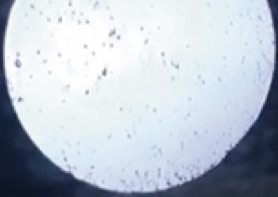
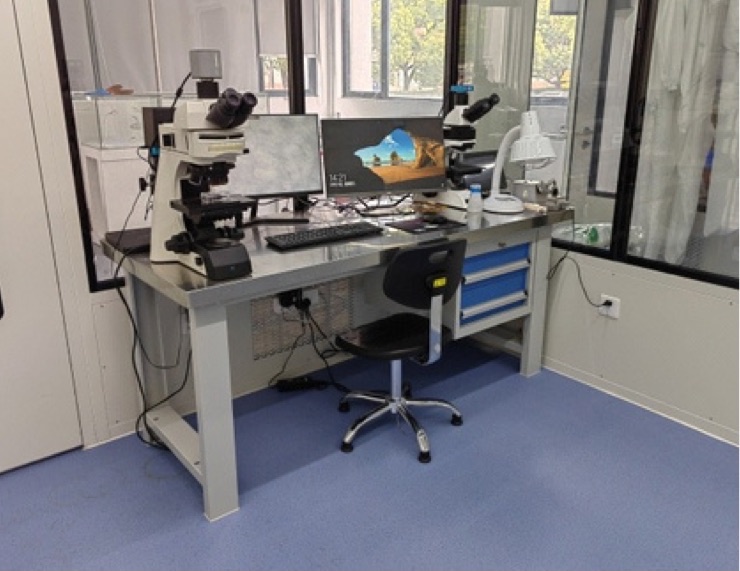
The same part, before and after one pass of CO₂ snow. Photographed under the inspection microscope in our Class 100 lab.
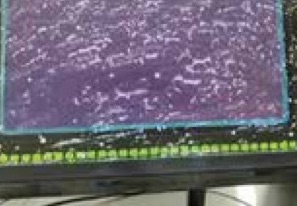
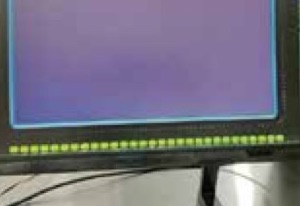 BeforeAfter
 BeforeAfter
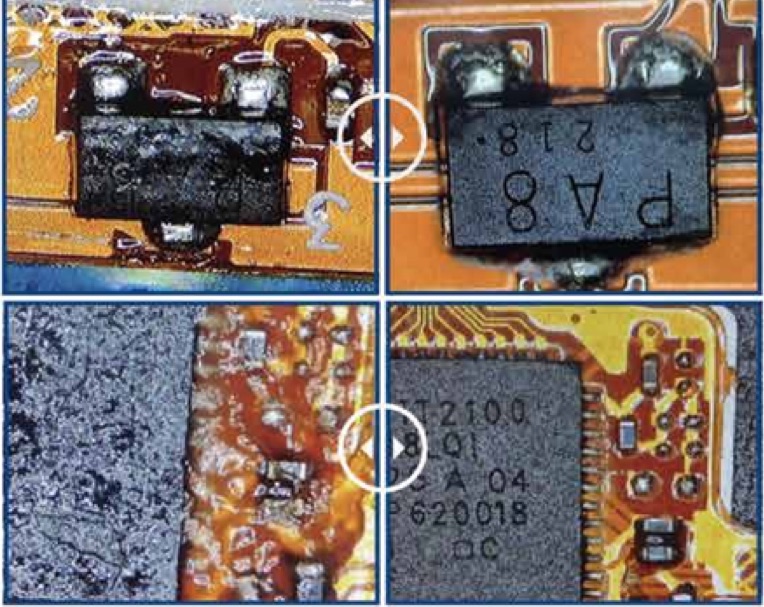 BeforeAfter
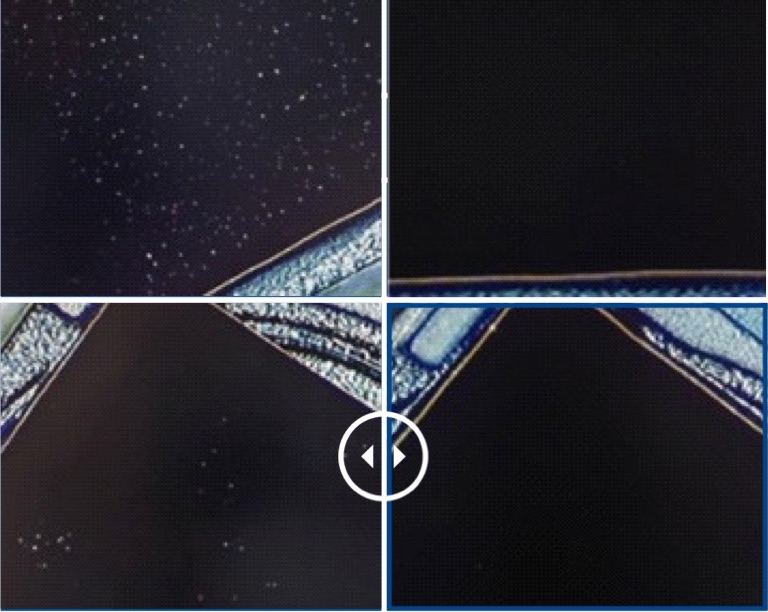 BeforeAfter
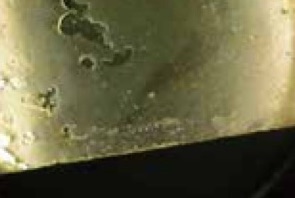
 BeforeAfter
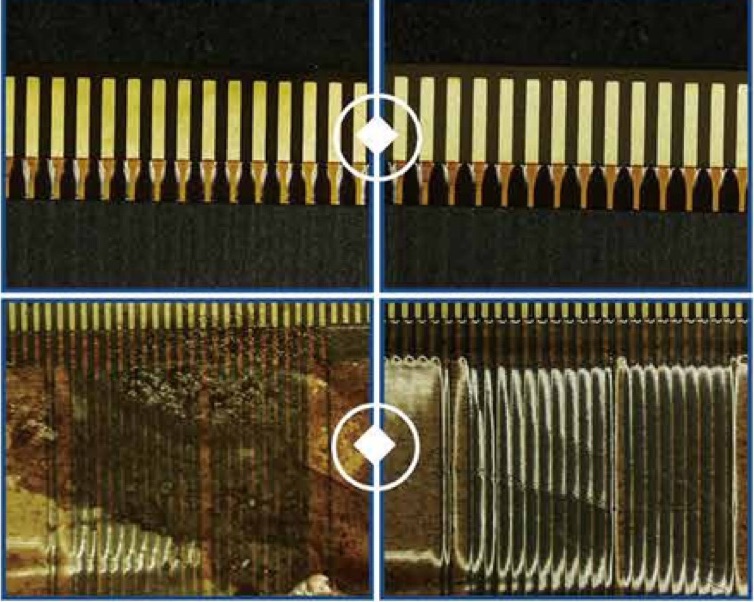 BeforeAfter
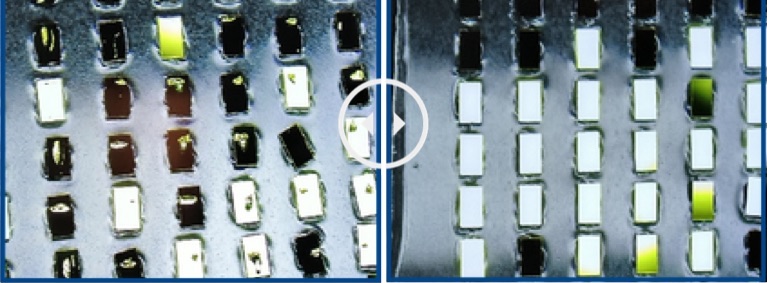 BeforeAfter
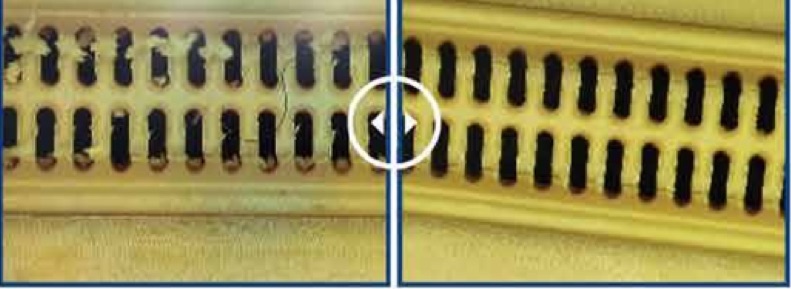 BeforeAfter
Also proven on chips, laser chips, phone camera lenses, VCM, MEMS, bismuth telluride and consumer electronics housings.
Why snow
Soft snow knocks contaminants loose and sublimes. No scratching, no cavitation, no damage to microstructures or coatings.
Nothing to rinse and nothing to dry. Parts move straight to bonding, coating or assembly.
No waste water, no spent solvent, no chemical handling. Safer for operators and simpler for compliance.
Choose snow particle size from 1 to 80 µm on the machine. Custom nozzles extend the range to 200 µm.
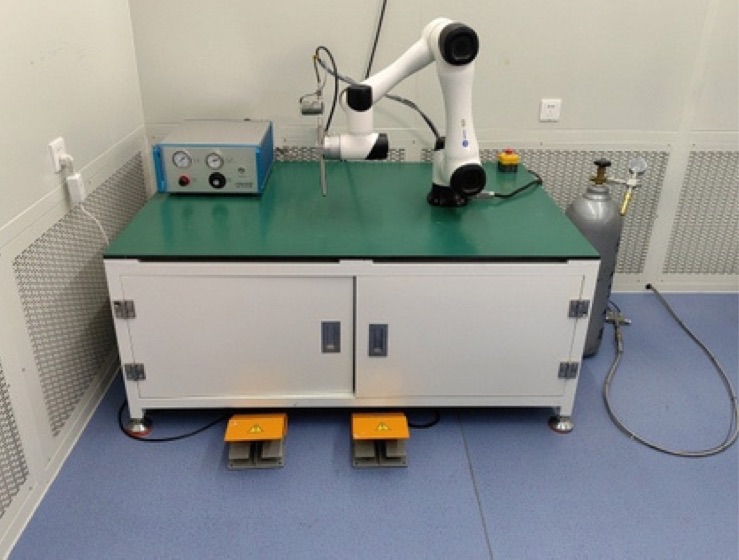
From an 18 kg benchtop to a robot‑mounted nozzle on your line. Foot pedal for the lab, I/O for automation.
Liquid CO₂ and compressed air or nitrogen are the only consumables. No chemistry to buy, heat or dispose of.
The machines
One technology, two platforms. Turn each machine around, zoom in on the panels, then choose.
Drag to rotate · Scroll or pinch to zoom · Shift‑drag to move
Interactive models built from published dimensions, panel drawings and photographs. Fine details are simplified. Dimension lines show the published overall size. The figure is 1.75 m (5 ft 9 in) tall.
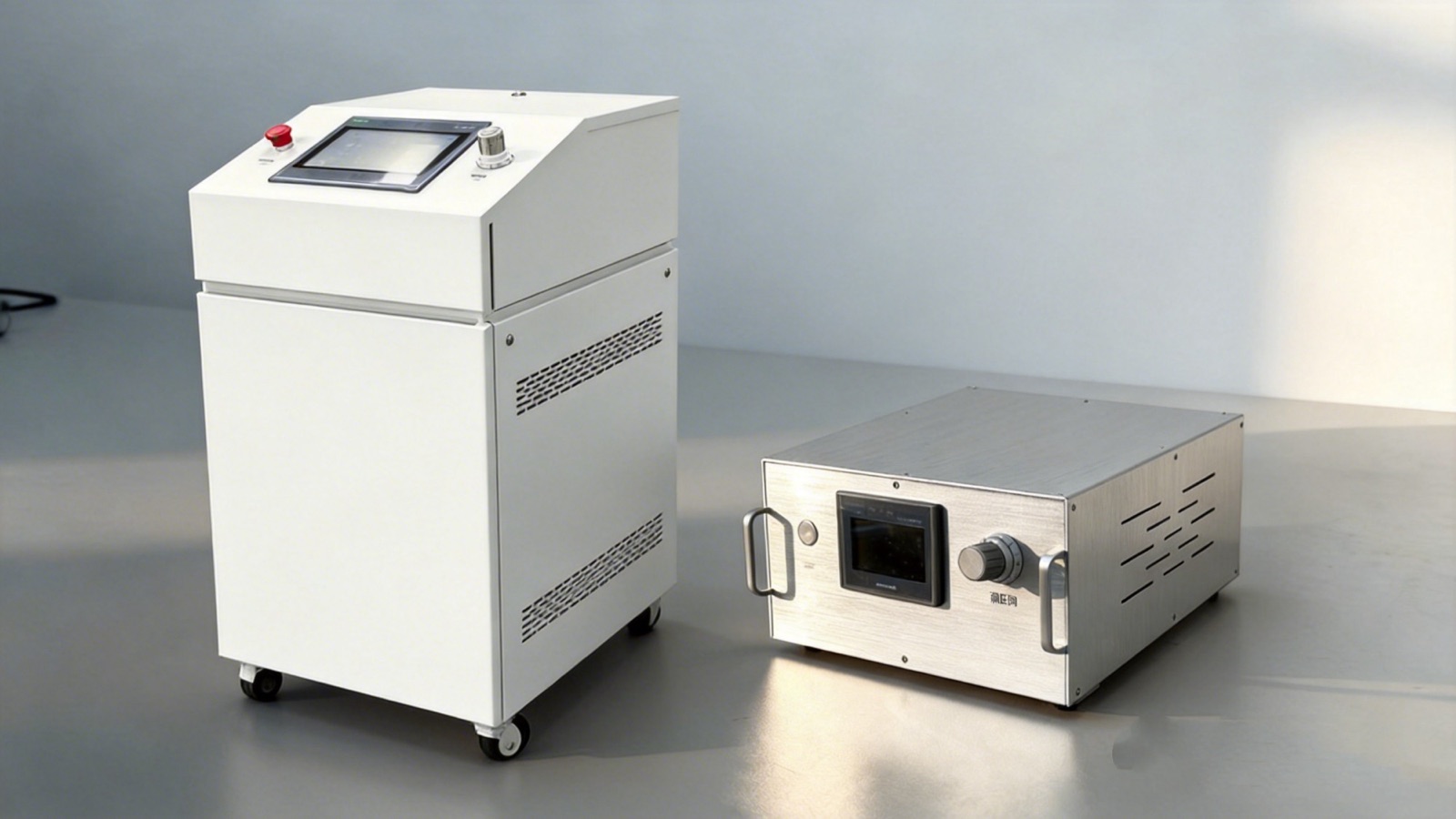
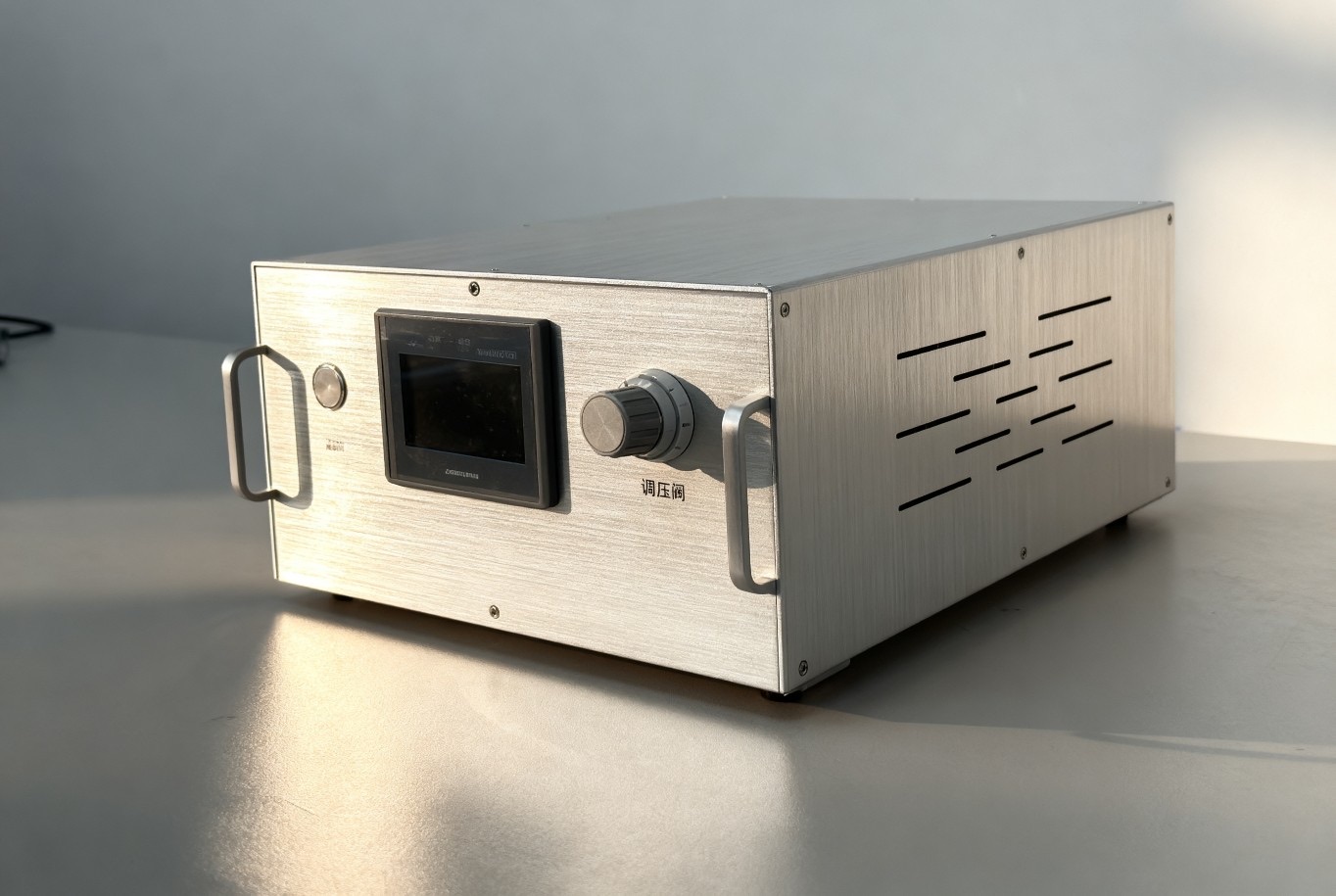
Low‑disturbance snow for parts that cannot take a scratch. Small enough for any lab bench or cleanroom station.
Ideal for wafers, chips, CMOS, MEMS, lenses, filters, VCSEL, laser cavities, microfluidics.
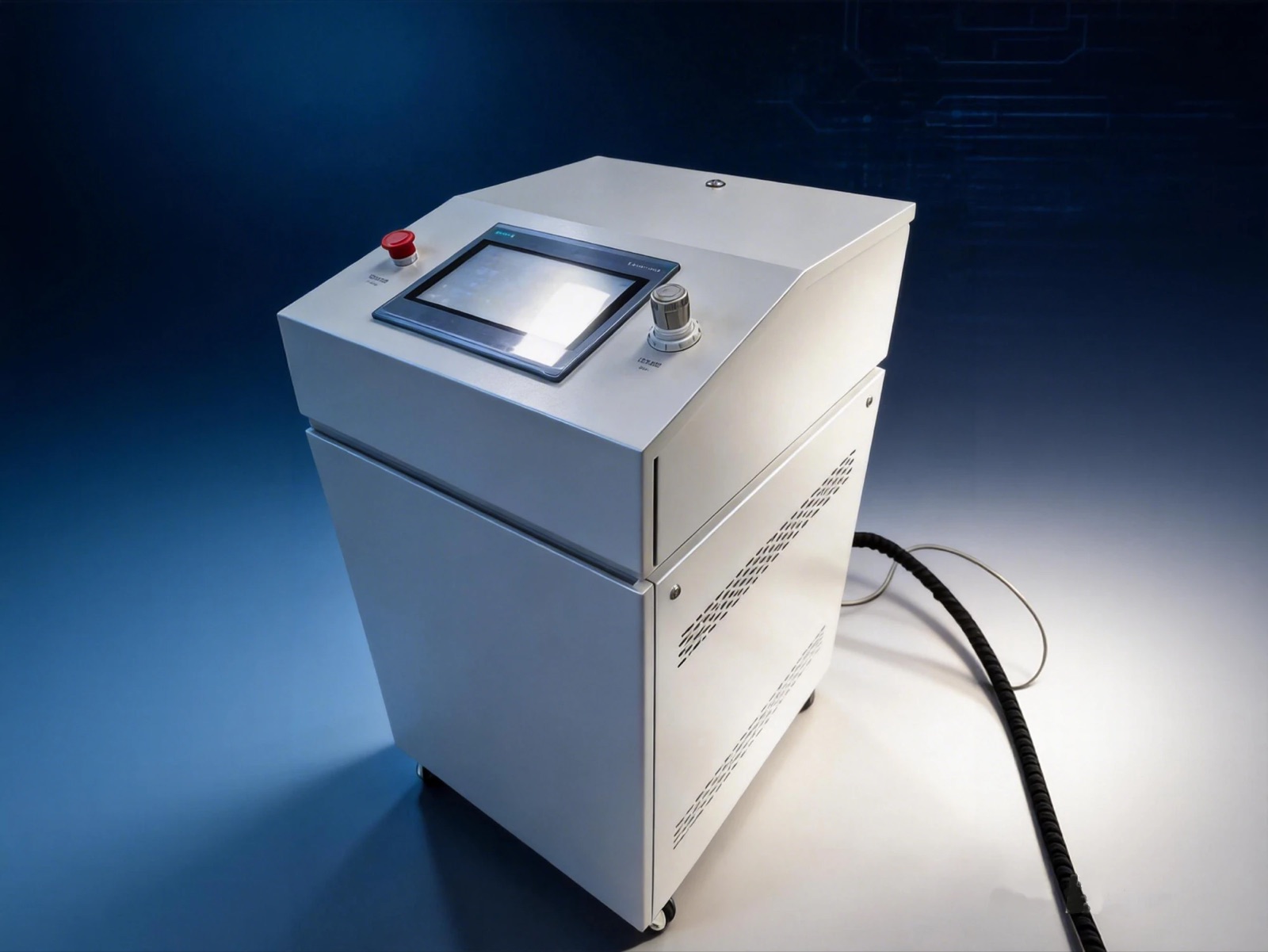
Built‑in booster and high, stable flow for heavy soil, large areas and continuous shifts. Install it and run.
Ideal for flux, solder paste, glue, oil, fixture build‑up, mold release, burrs.
Integration ready
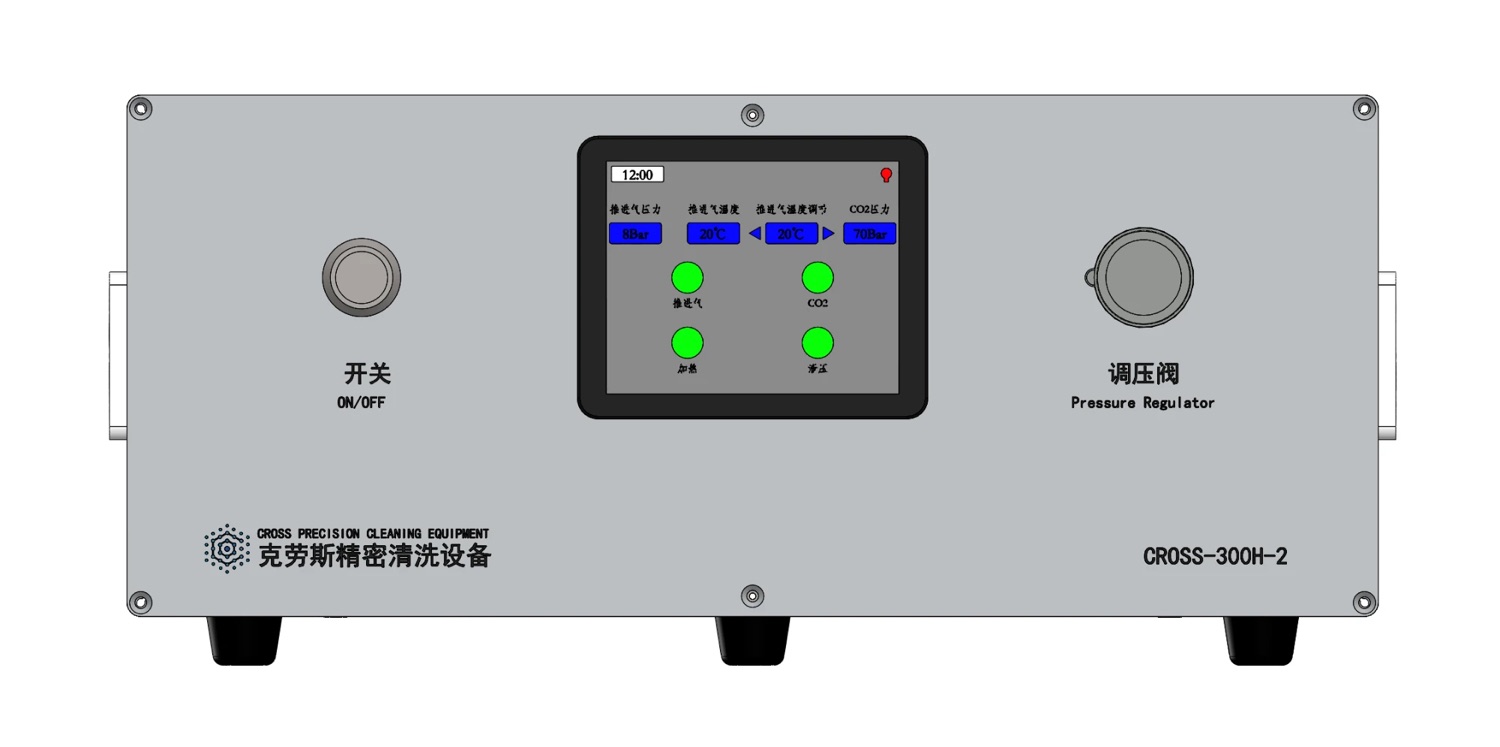
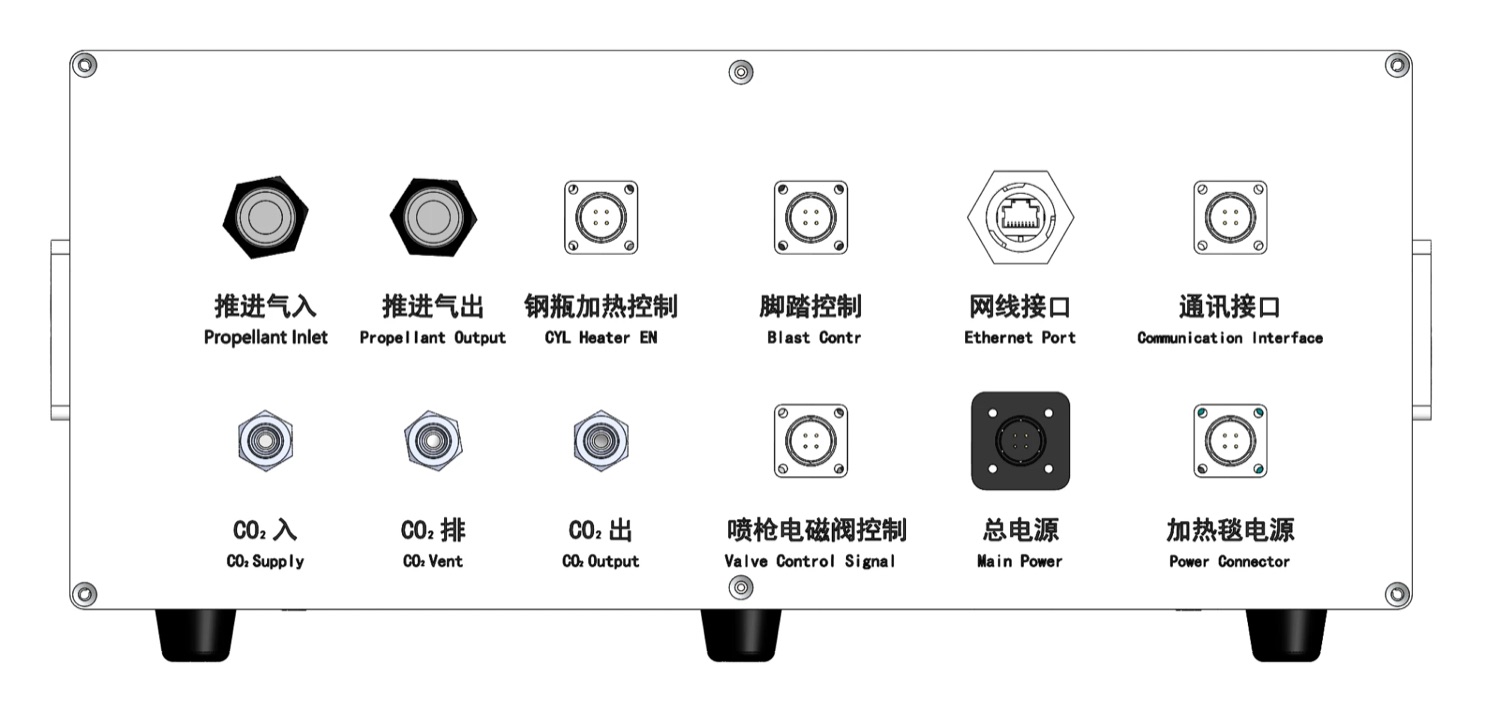
The CROSS‑300H‑2 shows propellant pressure, propellant temperature and CO₂ pressure on its touchscreen. Around the back, gas lines and control signals each have their own port, so it drops into a manual station or an automated cell.
| Specification | CROSS‑300H‑2 | CROSS‑100MT‑2 |
|---|---|---|
| CO₂ source | Cylinder | Cylinder or dewar |
| Pressure boost | Optional heating blanket | Built in |
| CO₂ pressure | 60–80 bar | 60–90 bar |
| Liquid CO₂ consumption | 0.2–0.5 L/min | 0.2–0.5 L/min |
| Propellant pressure | 0.3–0.9 MPa | 0.3–0.9 MPa |
| Air consumption | 0.15–0.26 m³/min | 0.15–0.26 m³/min |
| Snow particle size | 1–40 / 40–60 / 60–80 µm | 1–40 / 40–60 / 60–80 µm |
| Power | 0.5–2.5 kW | 0.5–2.5 kW |
| Supply | AC 220 V | AC 220 V |
| Control | Foot pedal, automation terminal | Foot pedal, I/O interface |
| Size L × W × H | 580 × 380 × 200 mm | 610 × 530 × 920 mm |
| Weight | 18 kg | 200 kg |
| Warranty | 12 months | 12 months |
Custom automation
Beyond stand‑alone machines, CROSS engineers complete cleaning cells around the CROSS‑300H‑2: loading, transport, enclosure, clean air and inspection. Here is one example configuration.
Top view, to scale. Example layout only.
Example only. Every cell is engineered around your part, so sizes and ratings are estimates until the design is approved.
The technology
Liquid CO₂ becomes snow inside a supersonic nozzle. Clean dry air or nitrogen carries it to the surface at −78 °C, where three things happen at once.
Micro snow strikes the contaminant and knocks it loose. The snow is soft, so the surface underneath is untouched.
Instant deep cold makes the contaminant shrink and crack away from the part.
Snow in the cracks turns to gas and expands about 800 times, lifting everything clear.
| Method | Secondary waste | Toxicity | Erosion | Cleaning result | Risk to product |
|---|---|---|---|---|---|
| CO₂ snow cleaning | None | None | None | Good | Non‑destructive |
| Sand blasting | Dust | None | Damages surface | Poor on fine parts | Destructive |
| Ultrasonic / soda | Waste water | None | Light | Slow | None |
| Solvents and chemicals | Air emissions | Yes | Light | Acceptable | Residue possible |
| High‑pressure water | None | None | None | Acceptable | Yes |
| Plasma | None | None | Damages surface | Slow | Destructive |
Beyond cleaning
Aim the jet at the cutting point and it delivers 5–30 µm dry ice at −78 °C in place of cutting fluid. The heat leaves with the gas and the chips come off dry.
Who builds it
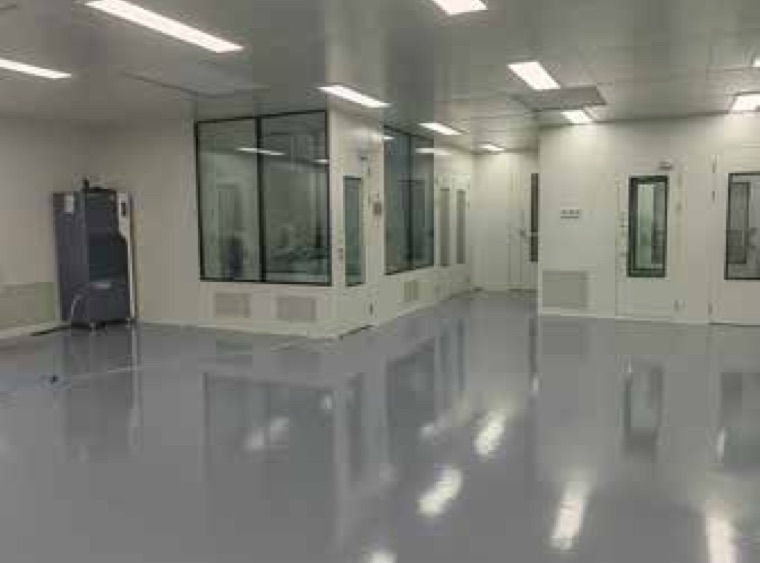
Cross Precision Cleaning Equipment (Suzhou) does one thing: CO₂ application technology. In 2023 the team cracked precise control of snow particle size and gas flow, opening the process to medical devices, chips and image sensors.
Get started
Material, contaminant and what clean means for you.
Ship a few parts to our lab in Suzhou. Keep one as your control.
You get before and after images with the nozzle and settings used.
A machine recommendation and a quote for equipment or contract cleaning.
FAQ
Book a cleaning test
Tell us what you need cleaned. An application engineer will tell you whether CO₂ snow is the answer and how to test it on your own parts.